
You have probably seen motion design everywhere without realising it. The animated logo that plays before a YouTube video. The smooth transitions in an app interface. The dynamic infographic that explains a complex data set in seconds. All of that is motion design at work.
But what exactly is motion design, and why should your brand care about it? If you have ever wondered where the line sits between motion design and animation, or how motion graphics can actually solve real business problems, this guide is for you.
Motion Design, Defined
Motion design is the art of bringing graphic elements to life through movement. It takes the static, the still, the flat, and gives it rhythm, direction, and purpose. Text moves. Shapes transform. Icons pulse. Information flows.
At its core, motion design sits at the intersection of graphic design and animation. While traditional animation often tells a story through characters and narrative, motion design tends to focus on communicating ideas, data, and brand messages through purposeful movement.
That does not mean motion design is cold or mechanical. Far from it. The best motion design feels natural and intuitive, guiding the viewer without them even realising they are being guided.
Motion Design vs Animation: What Is the Difference?
This is one of the most common questions we hear, and the honest answer is that the line is blurry.
Traditional animation typically involves character-driven storytelling. Think Pixar films, hand-drawn shorts, or anime. The focus is on narrative, character emotion, and cinematic technique.
Motion design, on the other hand, focuses on moving graphic elements to communicate or enhance a message. It is more closely tied to design thinking than to filmmaking.
But here is where it gets interesting: modern motion design frequently borrows from animation. You will see character animation in explainer videos, narrative arcs in brand films, and cinematic camera work in 3D motion graphics. The disciplines feed each other.
In practice, when someone says “motion graphics,” they usually mean design-led animation. When they say “animation,” they usually mean story-led motion. Both can serve your brand. The question is which approach fits the job.
How Brands Use Motion Design

Motion design is not just for creative studios and tech companies. It has become a core communication tool across industries and platforms. Here are the most common ways brands put it to work.
Explainer Videos
You have a product or service that takes more than a sentence to explain. An explainer video distils that complexity into 60 to 90 seconds of clear, visual storytelling. Motion design makes abstract concepts tangible and keeps viewers engaged long enough to actually understand the value you offer.
Social Media Content
Static posts get scrolled past. Motion stops the thumb. Short animated loops, kinetic typography, animated data visualisations, and branded GIFs all give your social media content an edge in crowded feeds. Platforms like Instagram and TikTok are built for motion, and brands that use it well see significantly higher engagement.
Brand Identity and Logo Animation
A logo is a mark. A logo animation is a moment. Motion brings personality to your brand identity in ways a static asset cannot. It tells the viewer something about your brand in the space of a few seconds: whether you are bold or understated, playful or precise. Genesis has helped brands like McDonald’s and Riot Games bring their visual identity to life through motion.
Product Visualisation
For physical products, 3D motion design lets you show every angle, feature, and detail without a physical photoshoot. Think rotating product views, exploded diagrams, and material close-ups. It is particularly powerful for tech products, consumer electronics, and anything that benefits from being shown in action. Take a look at how we brought Razer’s Hyperpolling technology to life.
Event and Conference Content
Live events need energy. Motion graphics for events include stage visuals, countdown sequences, speaker title cards, and animated recaps. They elevate the production value of a conference or launch event and keep audiences visually engaged between segments.
UI and UX Animations
Motion design plays a growing role in digital product design. Micro-interactions, loading animations, page transitions, and onboarding sequences all use motion to improve usability and make interfaces feel responsive and alive. It is functional design that happens to look great.

The Motion Design Process: What to Expect
If you have never commissioned motion design before, here is what a typical process looks like when working with a studio.
1. Brief and Discovery
Everything starts with listening. A good studio will want to understand your goals, audience, brand, and what success looks like before any creative work begins. At Genesis, we treat the brief as the foundation, not a formality.
2. Concept and Scripting
Once the brief is locked, the team develops the creative direction. This includes the script (if there is a voiceover), the visual approach, colour palette, and any character or illustration development.
3. Storyboarding
Storyboards lay out the visual narrative frame by frame. They give you a clear picture of the final piece before any animation begins, which means fewer surprises down the line.
4. Design and Illustration
This is where the visual style comes together. All the graphic assets, characters, backgrounds, icons, and typography, are designed in detail before being handed off to animation.
5. Animation
The frames come to life. Animators bring movement, timing, and pacing to the designed assets. This is often the longest phase, depending on the complexity of the project.
6. Sound Design and Music
Sound is the invisible layer that makes motion design feel complete. Voiceover, music, and sound effects are mixed in to reinforce the mood and message.
7. Review and Delivery
The finished piece goes through rounds of review with the client. Revisions are made, final files are exported in the required formats, and the piece is ready for launch.
Why Motion Design Matters More Than Ever
Attention is the scarcest resource your brand competes for. People process visual information faster than text. They remember moving images better than still ones. And they engage with video content at rates that continue to climb year on year.
Motion design is how brands communicate quickly, clearly, and memorably in a world that gives you about three seconds to make an impression.
It is also increasingly accessible. You do not need a Hollywood budget to produce effective motion graphics. A focused brief, a clear message, and the right studio partner can deliver results at any scale.
Key Takeaways
- Motion design is the practice of bringing graphic elements to life through movement, sitting at the intersection of graphic design and animation.
- It differs from traditional animation in its focus on communicating ideas and brand messages rather than character-driven storytelling, though the two often overlap.
- Brands use motion design for explainer videos, social media content, logo animation, product visualisation, events, and UI/UX.
- The process follows a structured path from brief to delivery, with storyboarding and design phases that keep you aligned before animation begins.
- The demand for motion is growing. As attention spans tighten and digital platforms prioritise video, motion design has moved from a nice-to-have to a core brand asset.
},
},
},
},
}
]
}
Curious about what motion design could do for your brand? Reach out to Genesis Motion Design and let us explore the possibilities together.
Frequently Asked Questions
What does a motion designer do?
A motion designer creates animated visual content by combining graphic design skills with animation techniques. They work on everything from explainer videos and social media content to brand identity animations and UI interactions.
Is motion design the same as motion graphics?
The terms are often used interchangeably. Motion design is the broader discipline; motion graphics refers specifically to the animated graphic elements within it. In practice, most people mean the same thing.
How long does it take to produce a motion design project?
Timelines vary by complexity. A simple social media animation might take a week. A polished explainer video typically takes three to six weeks. A large-scale brand film or campaign can take two months or more.
Do I need motion design if I already have video content?
Motion design and live-action video serve different purposes. Motion design excels at explaining concepts, visualising data, and creating branded content that would be difficult or expensive to film. Many brands use both.
What should I look for in a motion design studio?
Look for a team that listens before they create, has a portfolio that demonstrates range and quality, and works collaboratively through a clear process. The right studio will feel like a creative partner, not just a vendor.
Related services: 2D Animation Services
Related reading: How Much Does Motion Graphics Cost in 2026? A Complete Pricing Guide | Explainer Videos: Why They Work and How to Get One | Motion Graphics vs Animation: What Is the Difference?
Learn more about Genesis Motion Design, an award-winning animation studio in Singapore.
Related reading: Logo Animation: How to Bring Your Brand to Life
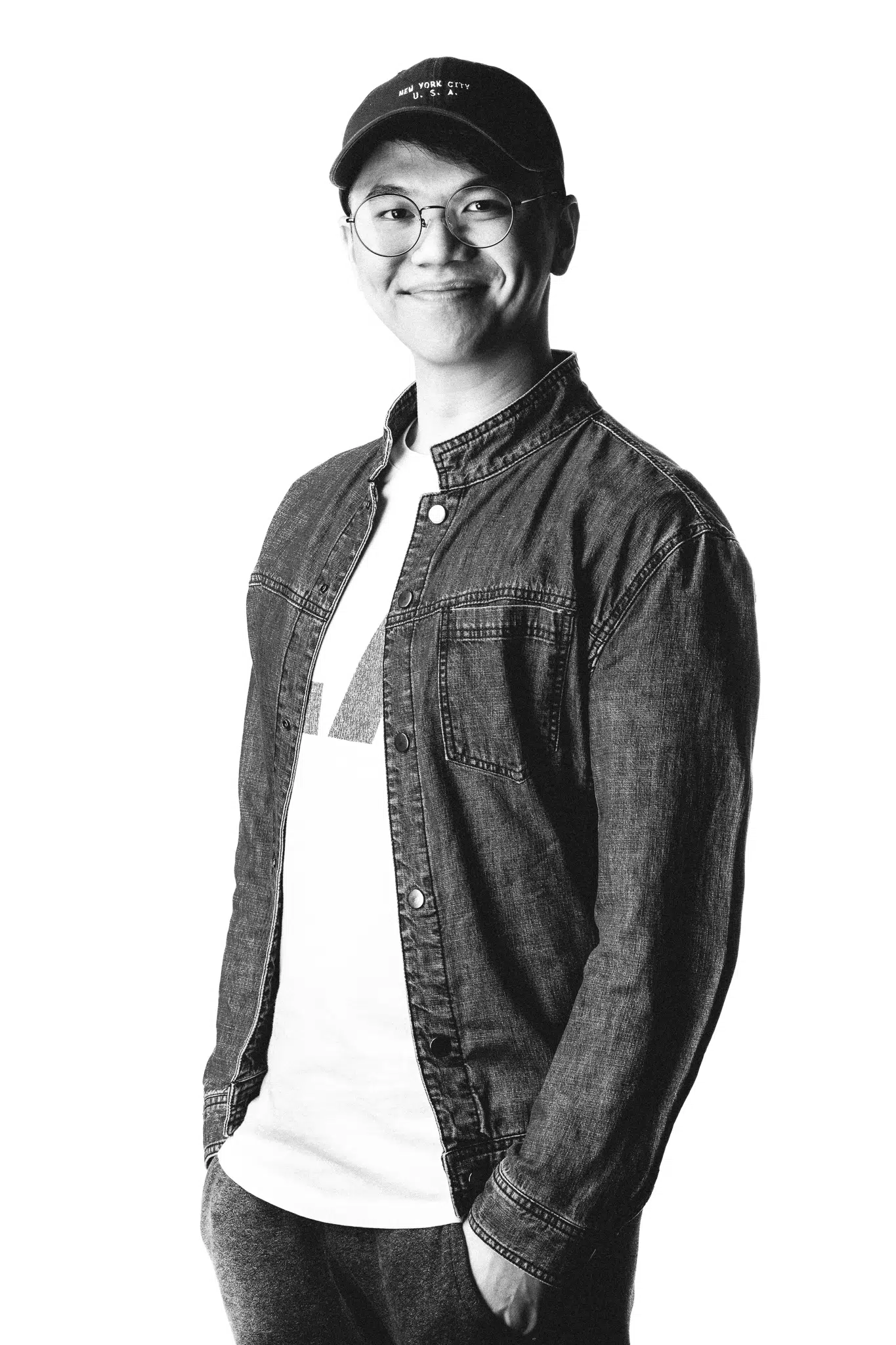
Benjamin Ang, the Creative Director of Genesis Motion Design, has more than 10 years of experience in motion graphics, design, and animation, Benjamin embarked on his own journey in 2015 with the birth of Genesis Motion Design, a studio focused on brand-driven storytelling.