

Every year, new trends reshape what great motion design looks like. In 2026, the shift is more dramatic than ever — AI is rewriting production workflows, real-time 3D is closing the gap between concept and final output, and audiences are demanding content that feels crafted, not computed.
For brands and creative teams, understanding these shifts isn’t optional if you want to stay visible. Here are six motion design trends defining 2026 and what they mean for your next campaign.
AI-Assisted Production Is Here to Stay

Let us get this one out of the way first, because it is the one everyone is talking about.
AI is not replacing motion designers. What it is doing is changing the production workflow. Tasks that used to eat hours, such as rotoscoping, background generation, initial concept exploration, and even rough animation passes, can now be accelerated with AI-powered tools. That frees up creative teams to spend more time where it matters: refining the idea, perfecting the timing, and crafting the details that make a piece feel intentional.
The studios that are using AI well are not treating it as a shortcut. They are treating it as a tool that raises the floor, so the team can aim higher. At Genesis, we see AI as one more instrument in the toolkit, not a replacement for the craft itself.
The risk? Brands that lean too heavily on AI-generated output without strong creative direction end up with content that looks generic. The trend is not just about using AI. It is about using it thoughtfully.
Real-Time 3D Is Changing What Is Possible
Real-time rendering engines like Unreal Engine and Unity have been creeping into motion design for a few years now. In 2026, they have become a serious production tool, not just for gaming but for brand content, product visualisation, and immersive experiences.
The appeal is simple. Real-time 3D motion graphics let you iterate faster, respond to feedback in the moment, and produce final-quality output without waiting hours for renders. For product launches, event content, and interactive campaigns, this speed changes the creative process entirely.
Take a look at how we used 3D to bring Razer’s Hyperpolling technology to life, or the depth we achieved in the Beamforming Technology project. The level of detail and realism that real-time engines now deliver makes this one of the most exciting shifts in the industry.
Tactile, Handmade Aesthetics Are Making a Comeback
There is a growing appetite for motion design that feels crafted rather than computed. Textures that look like paper, fabric, or clay. Imperfect lines. Grain and noise used deliberately. The visual language of handmade work is showing up in everything from brand films to social media loops.
This trend is partly a reaction to the polished, sterile look that dominated motion graphics for the past few years. Audiences respond to warmth and character. A slightly imperfect texture tells them a human was involved, and that matters in a world increasingly saturated with algorithmically generated content.
For brands, the takeaway is this: perfect is not always better. Sometimes, the most memorable motion design is the work that feels like someone actually made it.
Micro-Interactions Are Getting Smarter
Micro-interactions, the small animations that respond to user input in apps and websites, have been around for a while. But in 2026, they are becoming more sophisticated, more context-aware, and more central to how digital products feel.
A loading animation that adapts to how long the wait actually is. A button that responds differently depending on whether you tap or long-press. Navigation transitions that orient the user spatially within a product. These are not decorative touches. They are functional design decisions that happen to look great.
The brands investing in thoughtful micro-interactions are the ones whose products feel responsive and considered. It is one of the most underrated areas of motion design, and it is growing fast.
Seamless 3D Integration in 2D Workflows
The line between 2D animation and 3D motion graphics continues to blur. Designers are increasingly mixing 3D elements into traditionally 2D compositions, adding depth, parallax, and spatial realism without fully committing to a 3D pipeline.
This hybrid approach gives creative teams more flexibility. You can add a rotating product render to a flat graphic layout. You can introduce camera movement into an otherwise 2D animated sequence. The result feels richer and more dynamic without the full cost and timeline of a pure 3D project.
We have seen this play out across campaigns like our work with 5G Unboxed, where combining 2D and 3D elements created a visual language that neither approach could have achieved alone.
Short-Form Motion Is the Default

This one is not new, but it has reached a tipping point. Short-form video, anything under 60 seconds, is now the default format for motion design content. Instagram Reels, TikTok, YouTube Shorts, and LinkedIn video posts have trained audiences to expect quick, punchy, visually-led content.
For brands, this means motion design is no longer something you commission once a year for a hero video. It is an ongoing content stream. The studios and teams that can produce high-quality social media content at a sustainable pace, without sacrificing craft, are the ones winning attention in 2026.
The key is thinking in systems rather than one-offs. Reusable character rigs, modular templates, and consistent visual languages let you produce more content without starting from scratch each time. That is how campaigns like McDonald’s Samurai Isekai maintain quality across a series of social assets.
What These Trends Mean for Your Brand
Every trend on this list points in the same direction: motion design is becoming more accessible, more integrated into everyday brand communication, and more important to how audiences perceive quality and credibility.
You do not need to chase every trend. But understanding where the industry is heading helps you invest wisely. If your brand has not explored 3D product visualisation, now is the time. If your social content is still static, you are leaving engagement on the table. And if your digital products lack thoughtful animation, you are missing an opportunity to make them feel better.
The best motion design in 2026 is purposeful. It serves the message, respects the audience, and feels like it belongs to your brand.
Key Takeaways
- AI-assisted production is accelerating workflows but requires strong creative direction to avoid generic output.
- Real-time 3D is transforming iteration speed and enabling higher-fidelity work across brand content and product visualisation.
- Tactile, handmade aesthetics are a response to visual fatigue, and audiences are drawn to warmth and imperfection.
- Micro-interactions are becoming smarter and more central to how digital products feel and function.
- 2D and 3D integration gives creative teams more flexibility without the full commitment of a pure 3D pipeline.
- Short-form motion is the default content format, and brands that can sustain quality at volume are winning attention.
Want to explore how these trends can shape your next project? Get in touch with Genesis Motion Design and let us figure out the right approach together.
Frequently Asked Questions
What are the biggest motion design trends in 2026? The standout trends this year are AI-assisted production workflows, real-time 3D rendering, tactile and handmade aesthetics, smarter micro-interactions, 2D and 3D hybrid workflows, and the continued dominance of short-form motion content.
Is AI replacing motion designers? No. AI is changing production workflows by accelerating repetitive tasks like rotoscoping and concept exploration, but creative direction, storytelling, and craft still require human skill and judgement. The best results come from studios that use AI as a tool, not a substitute.
Why is short-form motion design so important now? Platforms like Instagram Reels, TikTok, and YouTube Shorts have trained audiences to consume quick, visually-led content. Brands that invest in ongoing short-form motion design see higher engagement and stronger brand recognition than those relying solely on long-form or static content.
How can my brand stay ahead of motion design trends? Start by understanding which trends align with your goals and audience. Invest in a design system, with reusable assets and a consistent visual language, that lets you produce content efficiently without sacrificing quality. Working with a studio that stays close to the industry helps too.
What is the difference between real-time 3D and traditional 3D rendering? Traditional 3D rendering processes each frame offline, which can take hours for complex scenes. Real-time 3D uses game-engine technology to render frames instantly, allowing for faster iteration, interactive experiences, and quicker turnaround on final output.
Related reading: How Much Does Motion Graphics Cost in 2026? A Complete Pricing Guide | Explainer Videos: Why They Work and How to Get One
Related reading: Logo Animation: How to Bring Your Brand to Life
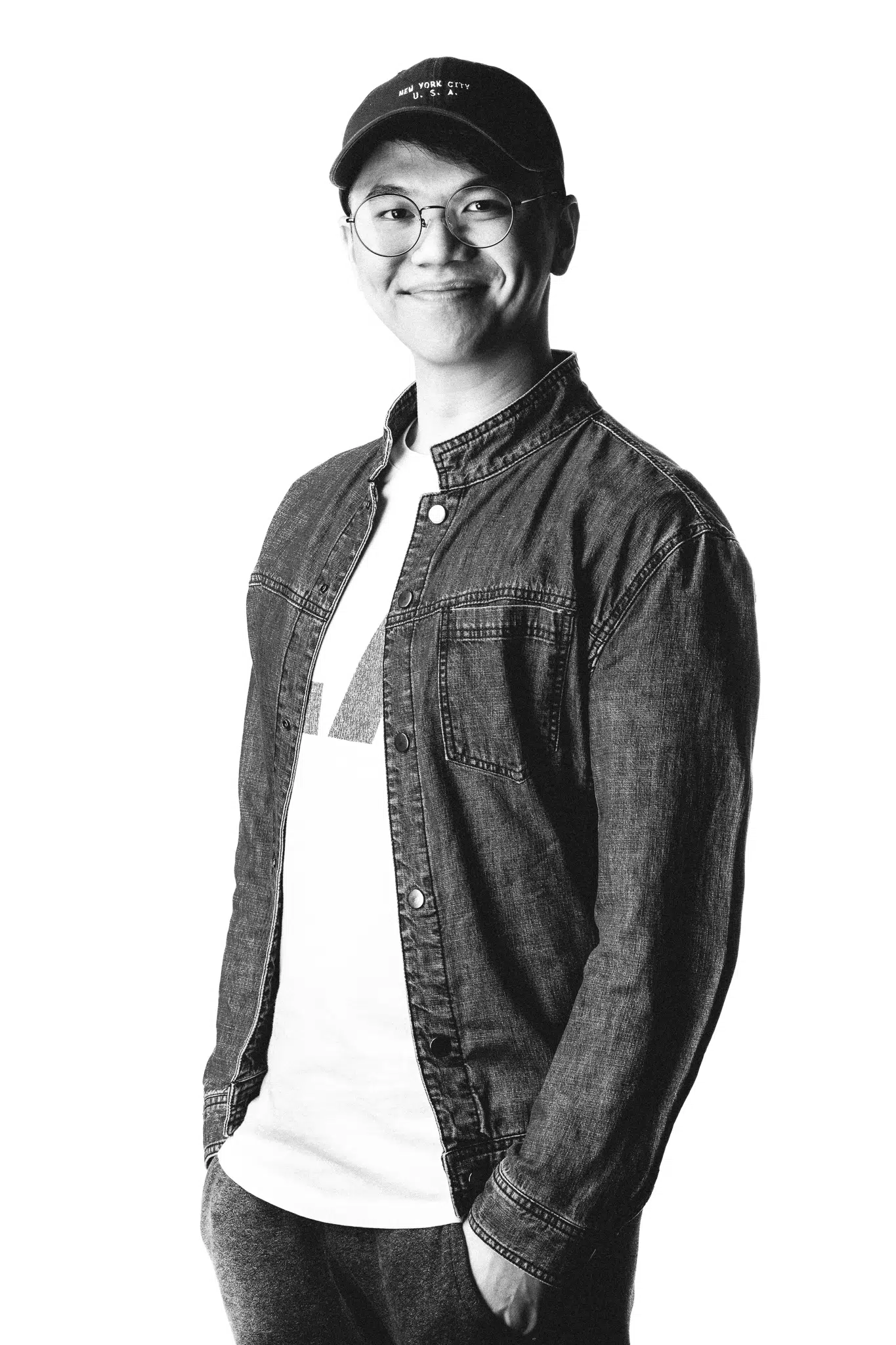
Benjamin Ang, the Creative Director of Genesis Motion Design, has more than 10 years of experience in motion graphics, design, and animation, Benjamin embarked on his own journey in 2015 with the birth of Genesis Motion Design, a studio focused on brand-driven storytelling.